Because a villa is a long-term home, the interior style you pick has to survive years of daily life and shifting trends In Dubai, where a luxury villa fit-out can represent a significant investment, picking the wrong aesthetic is an expensive mistake to unwind The temptation is to chase whatever look dominates this season, but the styles that age best are rooted in proportion, material quality and restraint This guide is a decision framework rather than a mood board, so it walks through the main villa styles, assesses their staying power and helps you match one to your home and budget It draws on how Dubai’s residential studios approach the question in 2026 By the end you should be able to brief a designer with confidence rather than a folder of clippings
An apartment refresh is relatively easy to redo, but a villa commits you to a style across far more space, cost and time As a 2026 market estimate, a mid-range villa interior runs roughly AED 250,000 to 600,000, while luxury and ultra-prime homes on Palm Jumeirah or in Emirates Hills reach AED 600,000 to well over AED 2 million At interior design in dubai those sums, a style that dates in three years is a costly liability rather than a minor annoyance Villas also possess more architectural personality than apartments, so the interior must work with the building rather than against it With larger footprints, decisions about flooring, joinery and stone repeat across many rooms, multiplying the impact of any misjudgement Choosing a durable style protects both your enjoyment of the home and its resale appeal
Most Dubai villa briefs land in one of a few broad style families, each having a different relationship to longevity The four below cover the majority of projects and can be blended thoughtfully rather than treated as rigid boxes For each, it helps to weigh how well it will read in five or ten years, not just on handover day Think about maintenance too, since some looks demand more upkeep to stay convincing The sections below set out each style, its strengths and its risks Studios including ALGEDRA Interior Design, CK Architecture Interiors and Sneha Divias Atelier operate across this spectrum
Contemporary minimalism strips interiors back to clean lines, open volumes and a restrained palette, and its warmer 2026 evolution softens that with natural textures This family ages well because it relies on proportion and material quality rather than decorative trends that date quickly Warm minimalism in particular, with its sand tones, timber, stone and linen, suits Dubai’s light and feels current without being cold The catch is that poorly executed minimalism can read as bare or unfinished, so detailing and craftsmanship define the whole look It also shows dust, marks and clutter more readily, calling for disciplined storage and upkeep For owners who value calm and longevity, it is one of the safest long-term bets
Neo-classical interiors bring symmetry, mouldings, rich materials and a sense of formal grandeur that many Dubai villa owners associate with luxury Firms like Luxury Antonovich Design are known for this ornate, palace-scale end of the market Its strength is a timeless, established language that rarely looks fashionable and then dated, because it references centuries-old proportions The danger is over-ornamentation, since heavy gilding and busy detailing can tip from elegant to dated if pushed too far A modern-classic reading, meaning classical bones with a lighter, calmer palette, tends to age better than full ornamentation This style also comes with higher material and joinery costs, so budget accordingly
Contemporary Arabic design reinterprets regional heritage, including mashrabiya screens, geometric patterns, arches and courtyards, in a modern and pared-back way It lands strongly in Dubai because it connects a home to its cultural setting rather than importing a generic global look Done with restraint, it ages gracefully, since the motifs are rooted in tradition rather than fashion The risk is theming, because overusing the same patterns can turn a sophisticated interior into a pastiche The most durable versions use one or two strong regional gestures against a calm contemporary backdrop This style suits owners who want a sense of place without sacrificing modern comfort
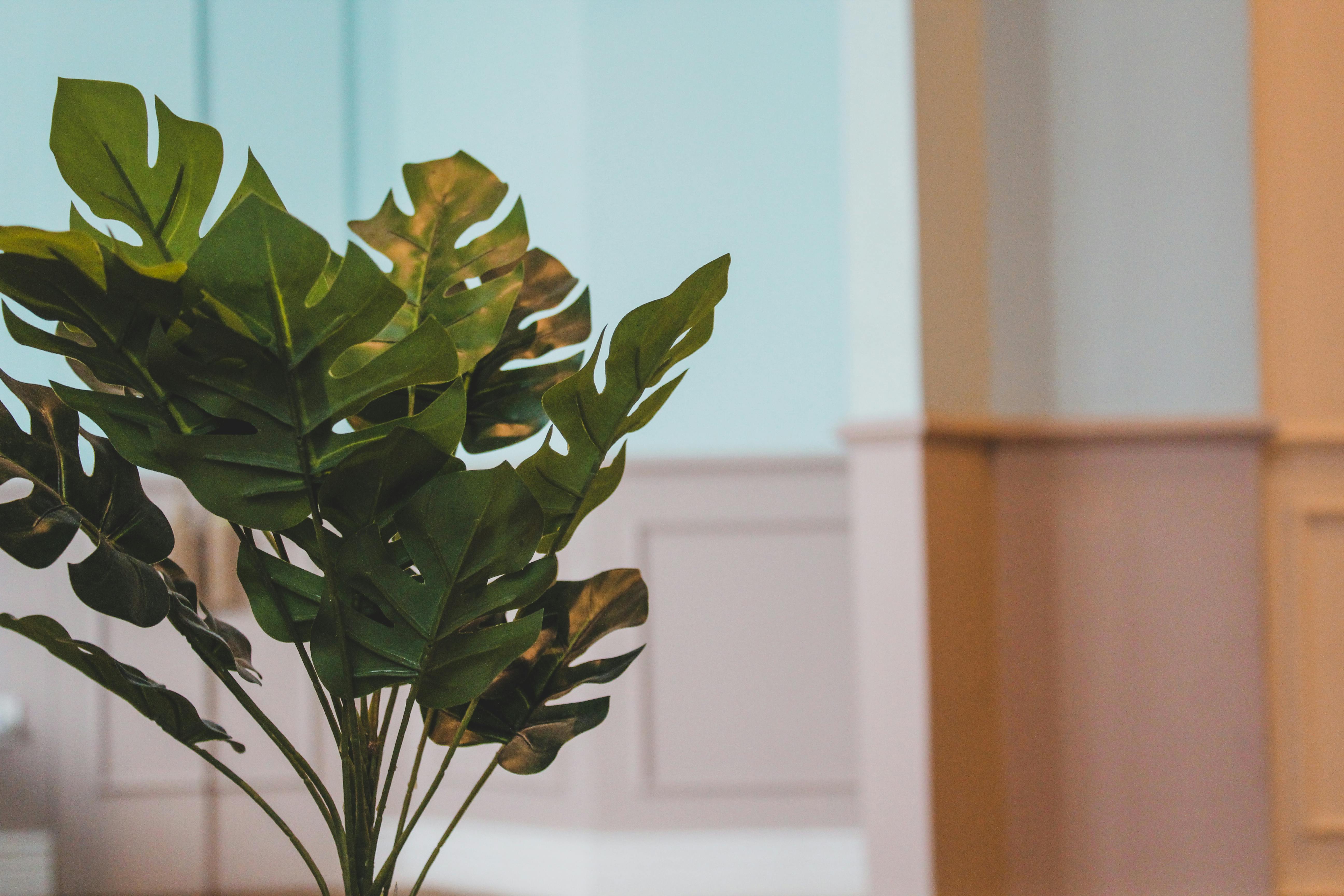
Organic modern draws on natural materials, curved forms, greenery and a strong indoor-outdoor connection, echoing the wellness and biophilic trends of 2026 It ages well because nature-led palettes and textures rarely feel dated, while the emphasis on light and planting supports daily wellbeing Dubai villas with gardens, courtyards or pool decks are natural candidates for this approach The main weakness is trend-chasing at the edges, since very specific furniture shapes or finishes can date even when the core idea does not Maintenance of plants and natural materials also demands commitment to keep the look convincing For garden-rich villas, it is one of the most future-proof directions available
With the main families on the table, the decision comes down to matching style to home, household and budget Start from the architecture and work with the villa’s proportions and light rather than imposing a look that fights them Weigh your household’s day-to-day reality, since minimalism and young children, for instance, demand serious storage discipline Factor in maintenance appetite honestly, because every style has upkeep implications Keep an eye on resale, choosing restraint over highly personal statements if you may sell within a few years The points below distil the decision into practical filters
The table below lines up each style family with the villa types and budget bands it tends to suit It is a starting filter, not a rule, since skilled designers mix styles successfully every day Budget figures are 2026 market estimates that move with size, materials and specification The longevity column shows how well each look typically holds up, assuming disciplined execution Read it alongside the decision filters above rather than in isolation Your architecture and household should always override a generic match
| Style family | Suits best | Staying power | 2026 villa budget (est.) |
|---|---|---|---|
| Warm minimalism | Modern villas and calm-seekers | High | AED 250,000 to 900,000 |
| Neo-classical / modern classic | Grand, symmetrical villas | High when kept restrained | AED 600,000 to 2M+ |
| Contemporary Arabic | Owners after a sense of place | High with restraint | AED 300,000 to 1.2M |
| Organic modern / biophilic | Villas with gardens and courtyards | Very good | AED 300,000 to 1M |
Settling on a villa style that lasts is less about prediction and more about principles that outlive any single season Anchor the interior in proportion, quality materials and restraint, then let one style family lead with the others as quiet accents Match that choice to your villa’s architecture, your household’s daily reality and your honest appetite for upkeep Respect the budget bands, with mid-range from around AED 250,000 and luxury well beyond AED 600,000 as 2026 estimates, and reserve design fees of roughly 10 to 20 percent of cost Brief your chosen studio on longevity as an explicit goal, not just on look Do that, and the style you pick in 2026 will still feel right long after this year’s trends have moved on
0 Comments



Leave a comment